
- 14 x 2.125
- 16 x 2.125
The "2.4" — Tire Width
When you see a tire size labeled as 12 x 2.4, it is using the Imperial system (inches). Here is the breakdown:
The second number represents the Width of the tire at its widest point when inflated.
- Measurement: 2.4 inches.
- Metric Conversion: $2.4 \times 25.4 = \mathbf{60.96\text{ mm}}$ (approx. 61mm).
-
Significance: A 2.4-inch tire is considered a "Wide" or "Fat" tire. For your human-carrying scooter, this is excellent because:
- Stability: A wider contact patch provides better balance.
- Cushioning: Larger air volume acts as a natural shock absorber for a smoother ride.
12~20 inch
14-inch wheels == kids bike
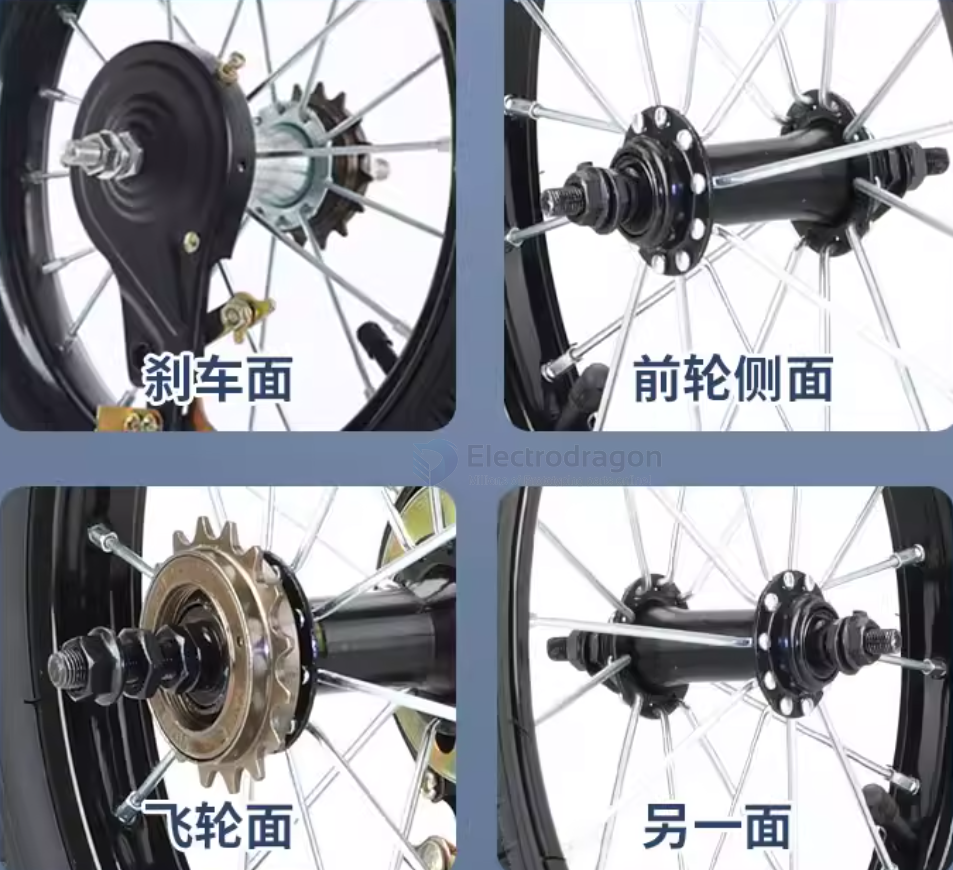
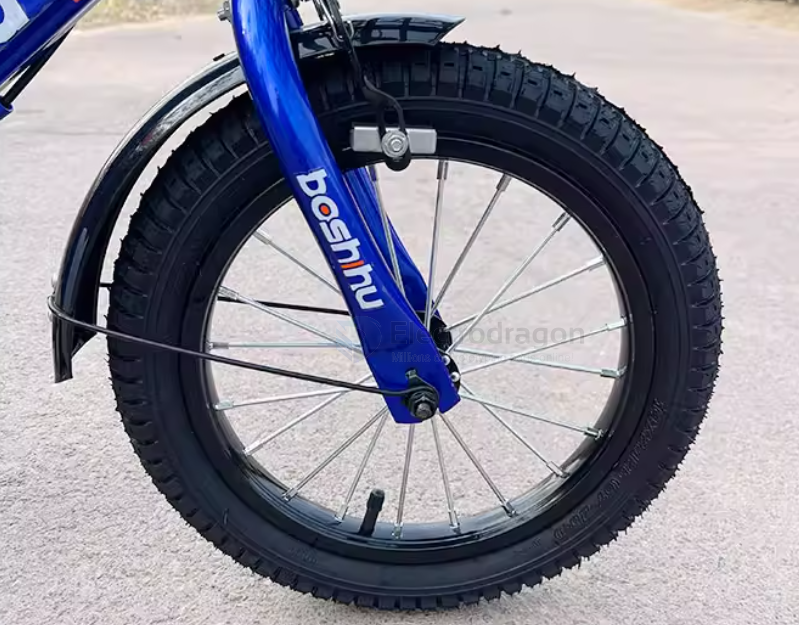
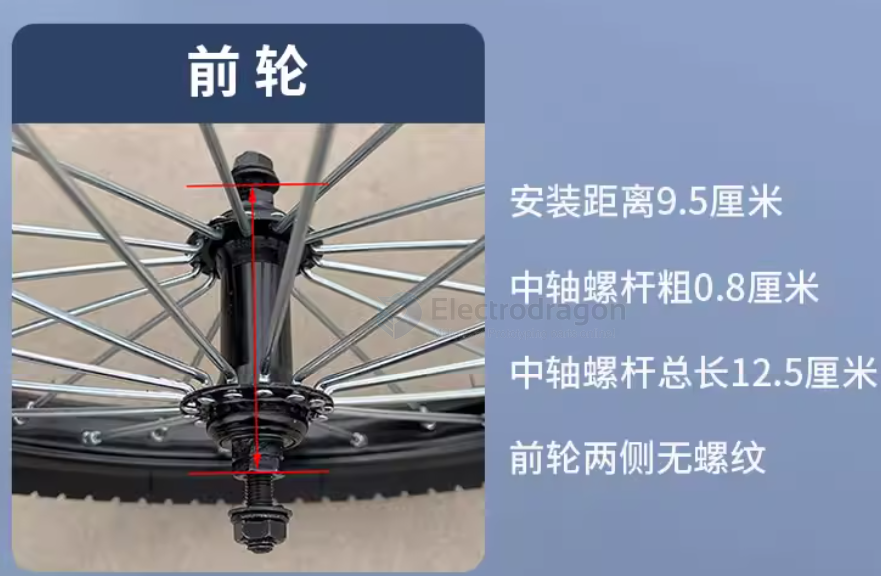
front wheel
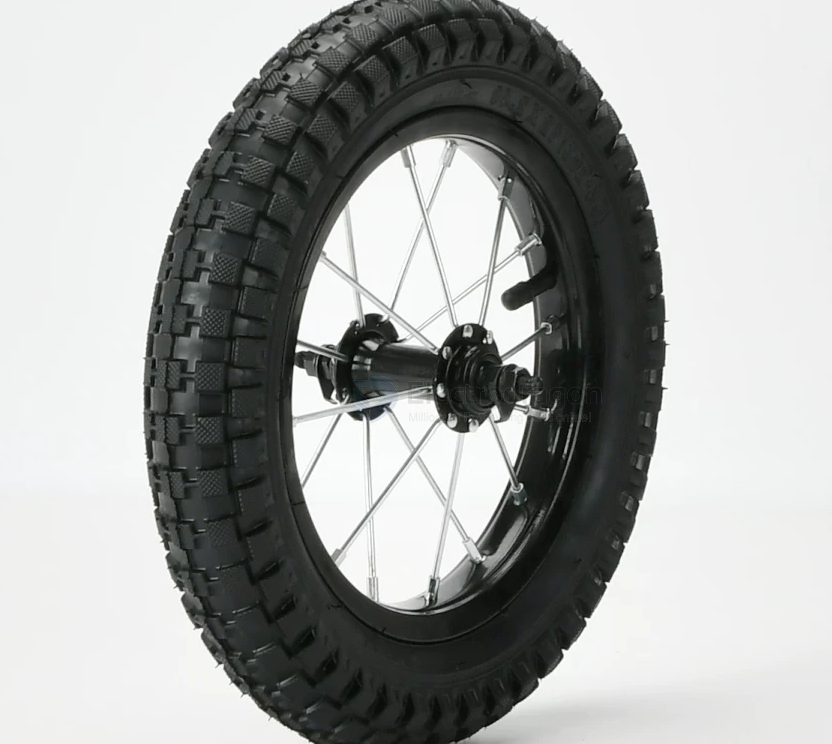
rear wheel
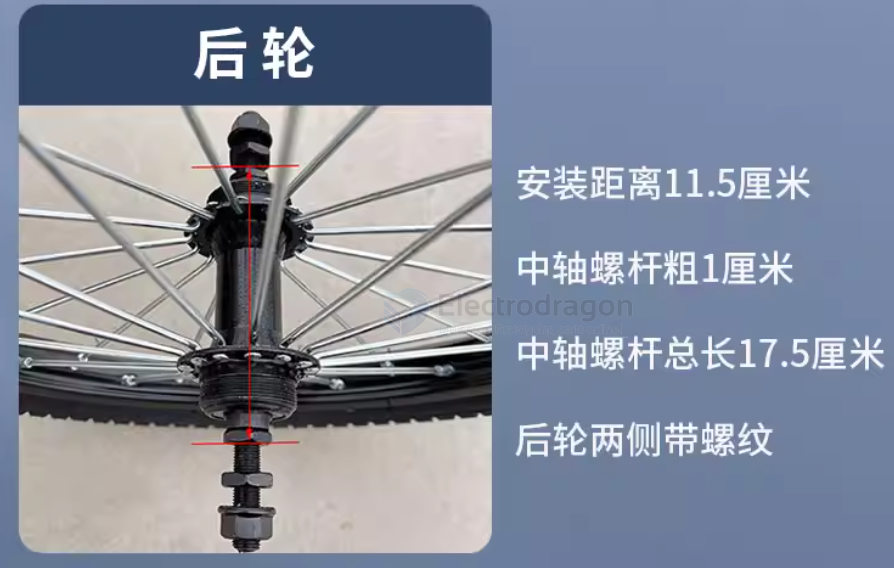
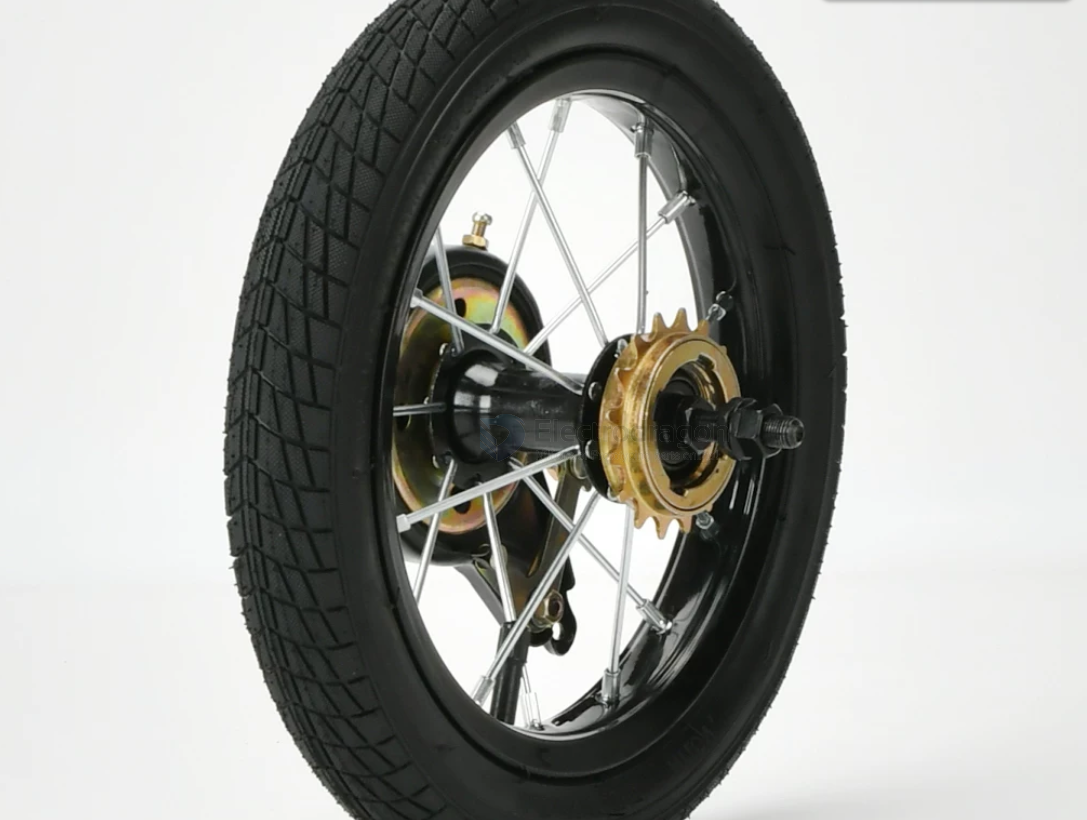
other sizes
- 24-inch == wheelchair
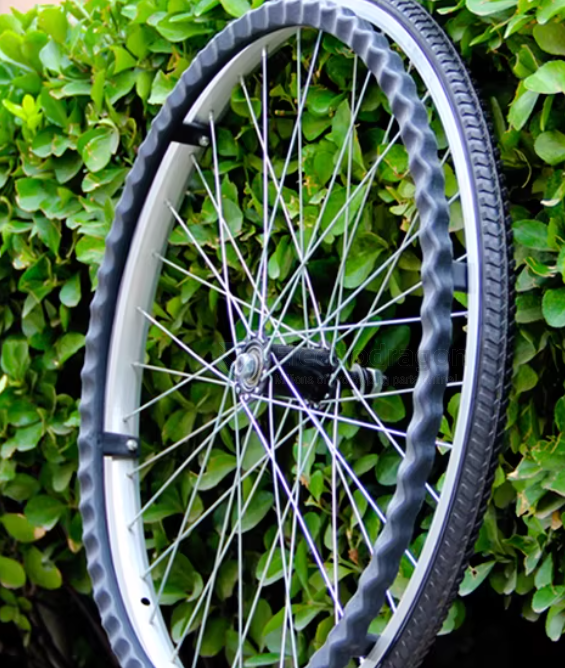
static wheel hub
in almost all modern bicycles, the axle itself does not rotate.
Bicycle Rear Wheel Rotation: What Moves?
| Component | Status | Movement Description |
|---|---|---|
| Axle (The Axis) | Stationary | Bolted or clamped to the bike frame; it never spins. |
| Sprockets (Gears) | Rotating | Spin when you pedal; they stay still when you "coast." |
| Hub Shell & Wheel | Rotating | Always spin while the bike is in motion. |
| Bearings | Active | The bridge that allows the wheel to spin around the static axle. |
How it works:
- Your frame holds the axle perfectly still.
- The bearings sit on that axle.
- The hub (the middle of the wheel) sits on the bearings.
- When you pedal, the sprockets push the hub, and the whole wheel spins around that fixed center axis.
塔基 / 卡式 花鼓 / 旋式花鼓