1. Use a Motor Housing (External Enclosure)
You place the motor outside the water by sealing it in a waterproof enclosure.
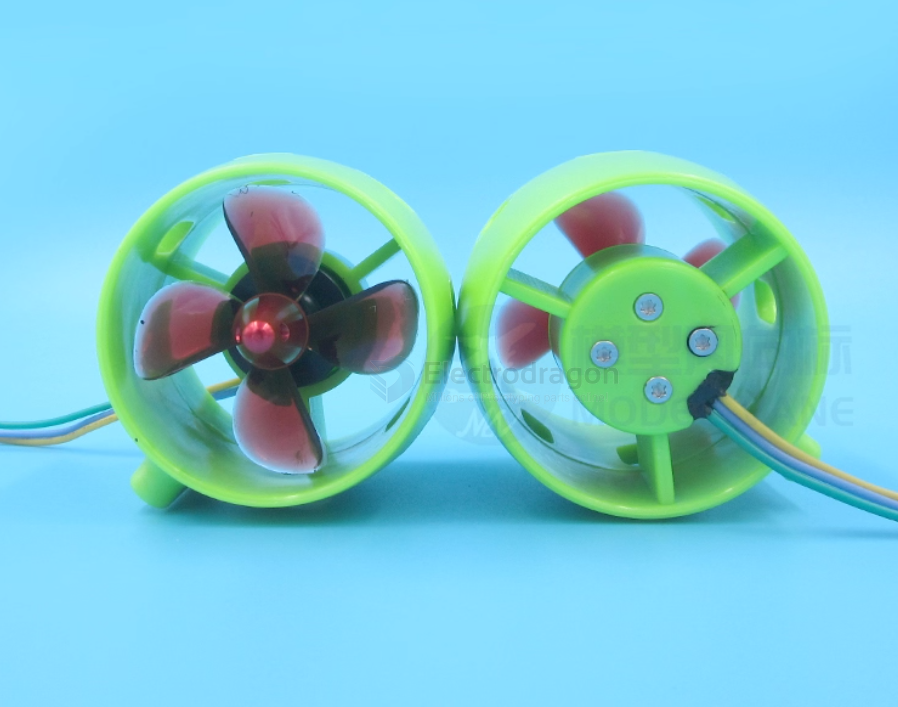
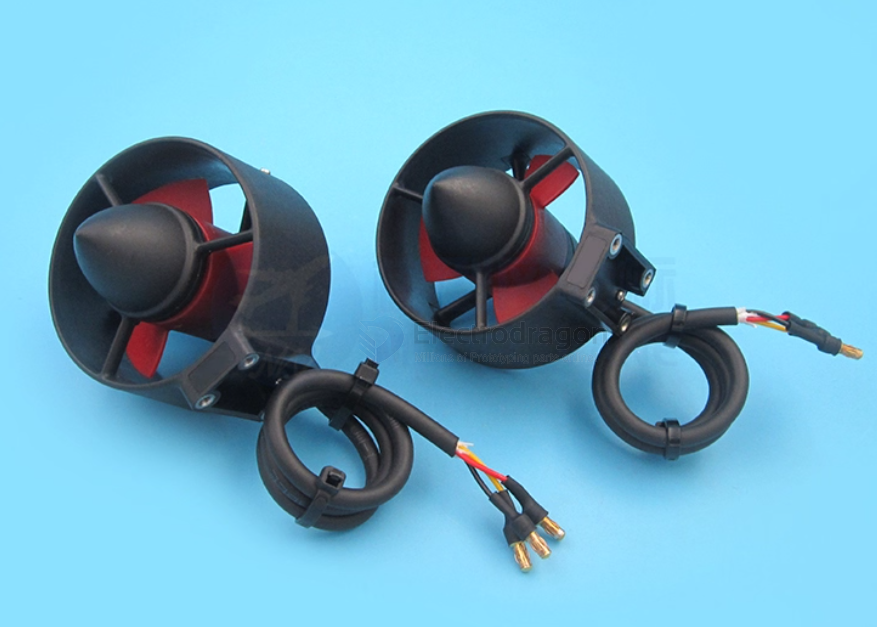
Requirements:
- A sealed plastic/metal container (PVC tube, acrylic box, aluminum canister)
- Rubber O-rings
- Waterproof cable gland
Why this is best:
- The motor stays dry.
- Very reliable and safe.
- Easy to repair.
2. Waterproof the Output Shaft Area
This is the part where water enters the fastest.
Methods:
- Double Rubber Shaft Seals (radial shaft seals)
-
Grease-filled Bearing Chamber
Grease blocks small leaks and lubricates the shaft. -
Ceramic or Stainless Shaft Sleeve
Reduces rust and seal wear.
3. Coat the Motor Internals (Not Recommended for Beginners)
Some hobbyists use:
- Epoxy resin coating
- Waterproof varnish (for coils)
But this has limits:
- Hard to do evenly
- Heat dissipation becomes worse
- Bearings still rust unless replaced with stainless ones
4. Use Oil-Filled Motor Housing
Some underwater ROVs fill the motor compartment with mineral oil to equalize pressure.
Advantages:
- No water ingress
- Better cooling
- Works at greater depth
Disadvantages:
- You need a sealed box
- Oil leaking is messy
- Not suitable for small toy motors unless well designed
5. Replace Bearings + Hardware
To avoid corrosion:
- Use stainless steel bearings
- Use stainless screws
- Avoid carbon steel
Summary: Best Practical Method
The best and safest way is:
Put the motor inside a waterproof container + use a sealed output shaft.
This is the same method used by:
- Underwater drones
- Bilge pumps
- Pool robots