cut target
This guide lists metals and conditions that are unsafe or unsuitable for small table saws. It also gives safer tool alternatives for cutting various metals.
1) Steel family — HIGH RISK (Do NOT cut)
- Carbon steel
- Alloy steel
- Stainless steel
- Spring steel
- Tool steel
Why not:
- Small table saws run at high RPM (typically 4,000–6,000 RPM) with no coolant
- The blade can overheat instantly and suffer tooth breakage
- Severe kickback and dangerous projectiles
Conclusion: Strictly prohibited
2) Thick metal (Any material) — NOT SUITABLE / HIGH RISK
- Aluminum sheet ≥ 3–4 mm
- Copper sheet ≥ 2 mm
- Brass sheet ≥ 2 mm
- Large metal profiles (angle, channel, etc.)
Why not:
- Excessive feed resistance
- Small table saws lack torque for heavy cuts
- Blade pinching and flying debris are likely
Conclusion: Avoid; use appropriate metal-cutting equipment
3) Hard, brittle metals — DANGEROUS (Do NOT cut)
- Cast iron
- Zinc alloys / die-cast parts
- Magnesium alloys
Why not:
- Parts can shatter or chip
- High-speed fragments pose major risk
Conclusion: Strictly prohibited
4) Thin-walled metal tubes and thin metal sheets — VERY DANGEROUS
- Tubes with wall thickness < 1 mm
- Thin steel/aluminum sheets
Why not:
- Teeth can grab and pull thin-walled parts
- Risk of entanglement, winding, and ejection
Conclusion: Extremely hazardous with a small table saw
May be cut only under strict, controlled conditions
These are conditional cases where cutting is physically possible but not recommended unless all precautions are met.
Prerequisites:
- Use a metal-specific blade (TCT blade for aluminum or a non-ferrous metal blade)
- Secure the workpiece firmly with proper clamps or fixtures
- Use very low feed and controlled cutting parameters
- Operator must be experienced with metal cutting on small machines
Possible (still not recommended):
- Non-ferrous thin parts only:
- Aluminum ≤ 2 mm
- Brass ≤ 1.5 mm
- Copper ≤ 1 mm
Note: "Can be cut" ≠ "should be cut" — safety and tool life remain major concerns.
Recommended tools by metal
| Metal / Part | Recommended tool |
|---|---|
| Steel / Stainless | Metal bandsaw / cold-cut saw / angle grinder with cutoff wheel |
| Large aluminum profiles | Cold-cut saw / dedicated sawing machine |
| Thin aluminum sheet | Jigsaw with metal cutting blades or shearing/cold saw |
| Small metal rods / bars | Metal bandsaw / hacksaw (manual) |
Micro-size table saw
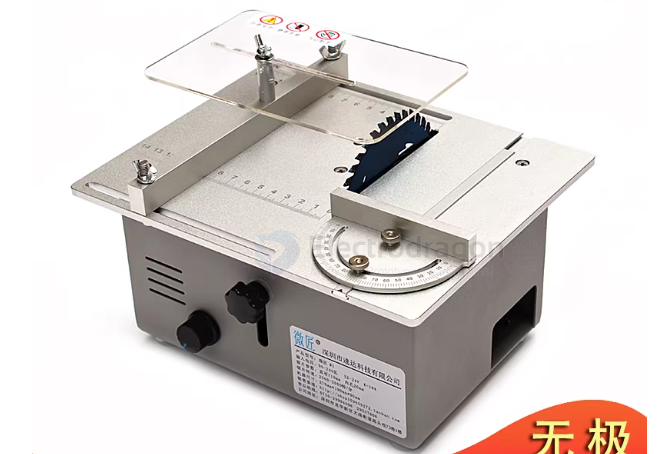
Small benchtop saws can be useful for wood, plastics, and light hobby work — not for cutting most metals.
Full-size table saw
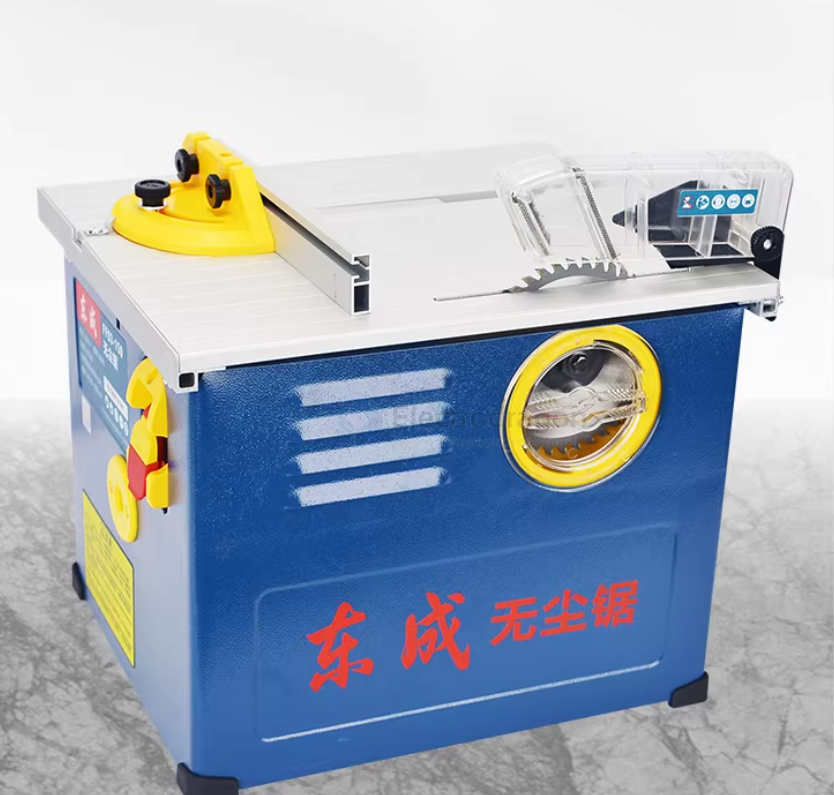
Full-size, industrial saws with appropriate blades, guards, and coolant systems may handle some non-ferrous metals safely when used with correct blades and feeding methods. Even then, choose a purpose-built metal-cutting machine whenever possible.